
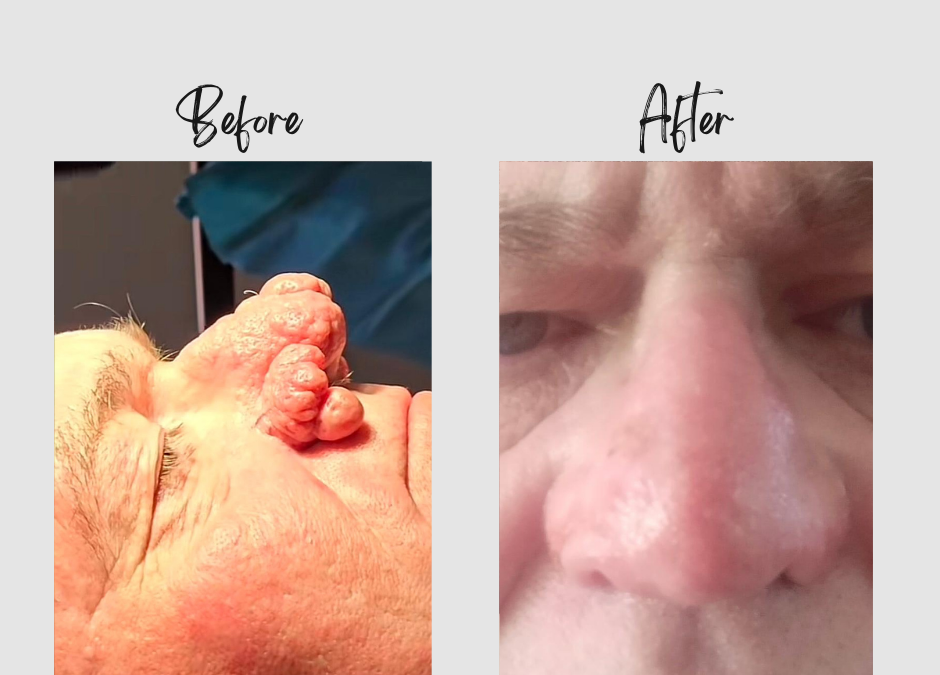
André’s Rhinophyma Journey: Healing with the Dr. Ansua Foundation
Introduction
Rhinophyma is a condition that can severely impact both the appearance and self-esteem of those affected. For individuals like Andre, it’s not just a physical transformation; it’s an emotional journey as well. Rhinophyma, marked by a bulbous and reddened nose, can lead to feelings of embarrassment and social withdrawal. When Andre sought help from the Dr. Ansua Foundation, he found not only a medical solution but also a supportive, compassionate team dedicated to his healing. Thanks to Dr. Ansua’s expertise, Andre is now on the path to reclaiming his confidence and quality of life. The treatment, though straightforward, had a profound impact on his physical appearance and emotional well-being. In collaboration with Biomedical Emporium, which provided the vital wound occlusive to support Andre’s healing, his transformation serves as a powerful testament to the difference effective medical care, coupled with a compassionate approach, can make in someone’s life.
Rhinophyma is often seen as the final stage of a condition called rosacea, a chronic skin disorder characterized by facial redness and visible blood vessels. While rhinophyma predominantly affects the nose, it can also involve other facial features. The exact causes of this condition are not fully understood, but experts believe several factors play a role in its development. This article explores six primary causes of rhinophyma and outlines effective strategies for managing the condition.
6 Potential Causes of Rhinophyma:
1. Genetics
Genetics is a significant contributor to rhinophyma’s onset. A family history of rosacea or rhinophyma increases the likelihood of developing the condition, suggesting a genetic predisposition. Studies have shown that individuals with a close relative who suffers from rosacea are more prone to experiencing the condition. Inheriting certain genetic traits may make an individual’s skin more sensitive to triggers such as temperature changes or sun exposure. Although genetic predisposition cannot be changed, early detection and intervention can help manage the symptoms before they worsen. For individuals with a family history of rosacea, taking preventive measures and seeking early treatment is key to minimizing the risk of developing rhinophyma.
2. Chronic Rosacea
Rhinophyma is frequently a late-stage manifestation of rosacea. This chronic condition, often first noticed as facial redness or flushing progresses over time if left untreated. Those with severe or long-standing rosacea are particularly vulnerable to rhinophyma, especially if their condition goes unmanaged. Rosacea causes inflammation in the skin, which over time leads to the enlargement and thickening of tissue, particularly around the nose. Without appropriate treatment, these symptoms may worsen, resulting in the characteristic bulbous appearance of rhinophyma. Managing rosacea early through medications like topical antibiotics or retinoids can prevent the condition from advancing to rhinophyma, preserving both skin appearance and self-esteem.
3. Environmental Triggers
Environmental factors can play a pivotal role in exacerbating the symptoms of rosacea, which in turn can trigger rhinophyma. Exposure to extreme temperatures, both hot and cold, can lead to increased blood flow to the skin, exacerbating redness and inflammation. Sun exposure is another critical trigger, as ultraviolet rays can damage the skin and promote flare-ups of rosacea. Other factors, such as spicy foods, alcohol, and emotional stress, can also contribute to the worsening of symptoms. These environmental triggers lead to dilation of blood vessels and inflammatory responses in the skin, which may eventually result in the characteristic swelling and thickening of rhinophyma. To effectively manage the condition, patients should be mindful of these triggers and take steps to protect their skin, including using sunblock, avoiding extreme temperatures, and limiting the consumption of certain foods and drinks.
4. Vascular Changes
Rhinophyma is closely associated with vascular changes in the skin. In rosacea, increased blood flow to the affected areas leads to the development of visible blood vessels and overall redness. This increased vascularity contributes to the formation of new blood vessels in the skin, a process known as angiogenesis. Over time, this abnormal growth of blood vessels can cause the skin to thicken, particularly around the nose, resulting in the enlarged, bulbous appearance typical of rhinophyma. The presence of these vascular changes can aggravate the condition, making it more difficult to manage without intervention. Laser treatments, which target and reduce the visibility of blood vessels, can be an effective way to address these vascular issues and prevent further worsening of rhinophyma.
5. Inflammation
Chronic inflammation plays a crucial role in the development of rhinophyma. Rosacea is characterized by persistent inflammation of the skin, which can lead to tissue damage and changes in the texture of the skin. As the inflammation continues, the skin thickens, particularly on the nose, causing the distinct bulging appearance seen in rhinophyma. This process can also lead to the formation of fibrosis, or scarring, which makes the skin even more resistant to treatment. To counteract inflammation, a comprehensive treatment plan involving topical medications such as corticosteroids or oral antibiotics can be used. In some cases, laser therapy may also be employed to reduce inflammation and help restore the skin’s normal texture.
6. Hormonal Factors
Hormonal fluctuations are another factor that can influence the severity of rosacea and the development of rhinophyma. Studies suggest that hormonal changes, particularly those experienced during menopause, can exacerbate rosacea symptoms, potentially leading to the development of rhinophyma. Hormonal imbalances, including those caused by conditions like polycystic ovary syndrome (PCOS), may also contribute to the severity of rosacea and increase the risk of tissue thickening. Understanding the relationship between hormones and rosacea is crucial for managing rhinophyma, as hormonal therapy or other treatments may be necessary for individuals whose symptoms are closely linked to hormonal fluctuations.
Treatment Options for Rhinophyma
Managing rhinophyma requires a multi-faceted approach, tailored to the severity of the condition. For individuals with early-stage rhinophyma or rosacea, topical treatments such as retinoids and antibiotics can help control inflammation and reduce the appearance of redness. Oral medications, including antibiotics like tetracycline or doxycycline, are often prescribed for more severe cases to combat inflammation. In addition, laser treatments can effectively reduce blood vessel visibility and shrink excess tissue. In extreme cases, surgical procedures may be required to remove the thickened tissue and restore the nose’s normal appearance. Combining these treatments with lifestyle changes, such as avoiding environmental triggers, is essential for long-term success in managing rhinophyma.
Conclusion
Andre’s journey is a profound reminder of how transformative the right medical care, coupled with a supportive community, can be. With the expert care of Dr. Ansua and the assistance of Biomedical Emporium, Andre’s life has taken a new turn, one marked by confidence and renewed hope. As we follow his remarkable transformation, we are reminded of the importance of early intervention, compassionate care, and the role that ongoing support plays in a patient’s recovery. Rhinophyma, though challenging, can be managed effectively with the right treatment and lifestyle changes. By supporting the Dr. Ansua Foundation and its mission, you too can be part of helping others like Andre reclaim their health and confidence, one life-changing treatment at a time.