
Clear Vision, Brighter Future: 5 Key Tips for Your Child’s Eye Health
Joshua’s Journey
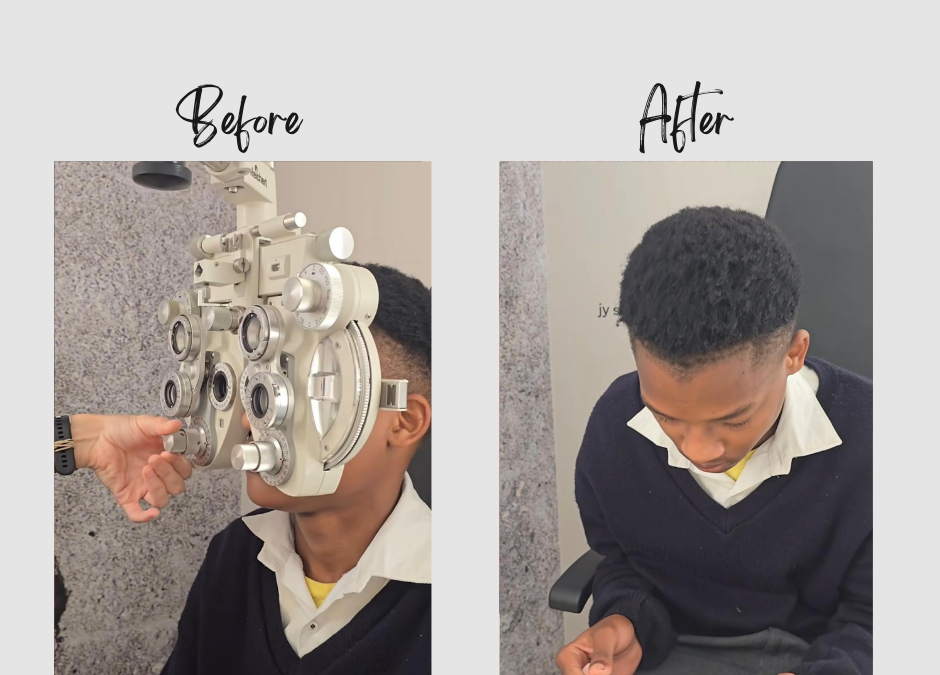
When 16-year-old Joshua struggled in school, his teacher noticed something crucial—he had trouble seeing. Thanks to the Dr Ansua Foundation and Danielle Hendrikse’s team at Bril, Joshua received his first-ever eye test through the Vision Box Foundation. With the community’s support, he was given glasses and contact lenses, enabling him to read and see clearly for the first time. Joshua’s story reminds us how vital eye health is for children’s education and overall well-being.
Here are five important things every parent should remember about their child’s eye health:
1. Schedule Regular Eye Exams
Children’s vision develops rapidly, and even subtle changes in eyesight can significantly impact their ability to learn, play, and interact with their environment. Scheduling regular eye exams is a proactive way to monitor and maintain their eye health. Experts recommend a comprehensive eye check-up at least once every one to two years, even if no problems are apparent.
This is particularly important during growth spurts or school transitions when visual demands increase, such as starting to read or using digital screens for extended periods. Regular exams help detect common issues like nearsightedness, farsightedness, or astigmatism early, preventing these problems from worsening over time.
Moreover, some vision problems, like lazy eye (amblyopia) or misalignment (strabismus), may not be obvious to parents but can be diagnosed during an exam. Early detection and intervention through glasses, vision therapy, or other treatments can correct these issues and prevent long-term complications.
Investing time in routine eye exams not only safeguards your child’s vision but also sets them up for success in school and life by ensuring they can fully engage with their surroundings.
2. Monitor for Warning Signs
Children may not always realize or communicate when they are experiencing vision problems, making it essential for parents and caregivers to be vigilant. Look for behaviors that suggest difficulty seeing, such as squinting frequently to focus on distant objects or holding books and screens unusually close. These signs could indicate common refractive errors like nearsightedness or farsightedness.
Frequent headaches, particularly after reading or using digital devices, might signal eyestrain caused by undiagnosed vision issues. Similarly, if your child struggles to track lines of text while reading or loses their place often, it could point to an underlying problem with eye coordination or focus.
Other indicators include excessive rubbing of the eyes, sensitivity to light, or avoiding tasks that require visual concentration, such as homework or puzzles. In younger children, misaligned eyes, difficulty recognizing colors, or delayed developmental milestones could also be warning signs.
By paying attention to these subtle cues and seeking professional advice promptly, you can address potential issues early, ensuring your child’s vision and overall quality of life are not compromised.
3. Promote Eye-Friendly Habits
Fostering healthy habits from an early age can significantly impact your child’s long-term eye health. One of the most effective ways to protect their vision is by limiting screen time. Prolonged exposure to screens can cause digital eye strain, leading to symptoms like dry eyes, blurred vision, and headaches. Encourage your child to follow the 20-20-20 rule: every 20 minutes, take a 20-second break to look at something 20 feet away. This simple practice helps reduce strain and gives their eyes a much-needed rest.
Spending time outdoors is equally important. Natural light plays a crucial role in eye development, and outdoor activities can help reduce the risk of myopia (nearsightedness), which has become increasingly common in children. Aim for at least an hour of outdoor play daily, where children can focus on objects at varying distances, giving their eyes a workout.
Nutrition also plays a vital role in eye health. A balanced diet rich in nutrients like vitamins A and C, omega-3 fatty acids, and antioxidants can strengthen vision and prevent certain conditions. Foods like carrots, leafy greens, citrus fruits, fish, and nuts are excellent choices.
Finally, teach your child to practice good eye hygiene, such as washing their hands before touching their face or eyes and avoiding rubbing their eyes, which can introduce irritants or infections. These habits, when nurtured consistently, can help maintain your child’s eye health and support their overall well-being.
4. Choose the Right Eyewear
Selecting the right eyewear for your child is a crucial step in managing their vision health effectively. If glasses or contact lenses are prescribed, it’s important to ensure they are properly fitted by a qualified professional. Ill-fitting glasses can cause discomfort, slipping, or pressure marks, which may discourage your child from wearing them consistently. A proper fit ensures that the lenses align correctly with their eyes, maximizing the effectiveness of the prescription.
When choosing frames, consider your child’s lifestyle and daily activities. Lightweight, durable frames made from materials like flexible plastic or metal are ideal for younger children who are active. If your child participates in sports, you may want to invest in impact-resistant lenses and sports goggles for additional protection. Similarly, for children who spend a lot of time outdoors, lenses with UV protection are essential to safeguard their eyes from harmful rays.
For older children or teens who prefer contact lenses, make sure they are instructed on proper care and hygiene to prevent infections. Daily disposable lenses are a convenient and hygienic option for beginners, as they eliminate the need for cleaning solutions and storage.
Ultimately, allowing your child to have a say in choosing their frames or lenses can also boost their confidence and ensure they’re happy to wear their eyewear. The right eyewear isn’t just about correcting vision—it’s about empowering your child to see the world clearly, comfortably, and confidently.
5. Protect Against UV Exposure
Children’s eyes are particularly vulnerable to the harmful effects of ultraviolet (UV) rays because their eyes are still developing. In fact, research shows that children receive up to three times the amount of UV exposure that adults do, which increases their risk of developing eye conditions later in life, such as cataracts or macular degeneration. For this reason, it’s essential to take proactive steps to protect their eyes from UV damage.
One of the best ways to shield your child’s eyes from UV rays is by ensuring they wear sunglasses with 100% UV protection whenever they are outdoors. Choose sunglasses that block both UVA and UVB rays, as well as ones that cover the eyes fully, providing complete protection from the sun. Large, wraparound styles are ideal because they offer more coverage and prevent UV rays from entering through the sides. It’s also important to make sunglasses a part of your child’s routine, not just on bright, sunny days but whenever they are outside, as UV rays can penetrate clouds.
In addition to sunglasses, a wide-brimmed hat can provide additional protection. A hat with a brim that extends at least 3 inches can help shield their eyes from direct sunlight and reduce the amount of UV radiation that reaches their eyes and skin.
Teaching your child these protective habits early will instill lifelong practices that help safeguard their vision. Whether it’s wearing UV-blocking sunglasses, using a hat, or seeking shade during peak sun hours, these small steps can have a big impact on maintaining their eye health and reducing the risk of long-term damage.
Conclusion
Joshua’s story is a testament to the transformative power of vision care. Thanks to the collaborative efforts of the Dr Ansua Foundation, Bril, and the Vision Box Foundation, Joshua now has the tools to excel in school and enjoy life to the fullest. However, there are countless other children like Joshua who need our help.
By supporting the Dr Ansua Foundation, you can give a child the gift of sight and the opportunity for a brighter future. No donation is too big or too small—every contribution makes a difference.
Together, we can change lives one pair of glasses at a time.